EVOLVING SOUNDS AND EXPANDING VOICES WITHIN THE WORLD OF PUNK
Punk has always been a timeless classic when it comes to style, culture, and music. Known for its grunge sound and confrontational lyrics, this genre of music has always been known to push boundaries while amplifying the voices of both artists and fans.
Punk has transformed and grown as new generations have emerged but stayed true to its 1970s roots. Bands such as Pierce the Veil, Paramore, Bring Me The Horizon, and Spiritbox have gained popularity spanning from 2010 to now. They have shaped and created the many sub-genres now beneath the punk umbrella. Today’s punk scene is experimental, inclusive, innovative, and paving the way for future decades.
Pop-punk, metal, and emo are just a few sub-genres that have emerged over the years. They vary in instrumentation, levels of aggression, and structure of melody. These sub-genres are experimental. They have reflected cultural shifts and movements and taken on such topics as mental health, identity and inclusivity.
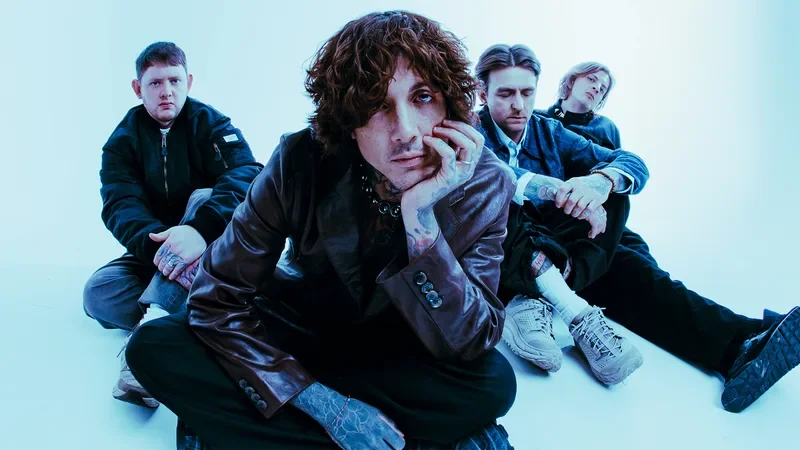
In recent years, electronic elements have become increasingly prominent as the genre expanded. Current bands have tended to add more effects and layers to their music, and that's a sign of the times. It demonstrates growth since punk's inception in the 1970s. Modern punk has adopted autotune and heavy production, which have freshened the 50-year-old genre, and kept it far from withering away into something we used to know. The experimental aspect we have seen happen right before our eyes proves that punk is limitless, letting artists have freedom to create whatever they want with no boundaries, but can still call punk their musical home.
Increased female representation within punk (and more general rock culture) has also driven this traditionally male-dominated punk to evolve.
It turns out that women can, indeed, deliver the intensity that some believed to be beyond female musicians. Hayley Williams, of Paramore, and Courtney LaPlante, of Spiritbox, are two of the most influential women in rock music. Both have not only taken the stage by storm, but have led the genre down the road of inclusivity. They have pushed boundaries in ways that would have been impossible 20 years ago. Hayley Williams has shown, over several years, albums and projects, that women can be powerful and authentic in the punk world. Courtney LaPlante has shown that metal screaming and powerful vocals aren’t reserved for the men of rock. In doing so, they have shown that punk has a future.
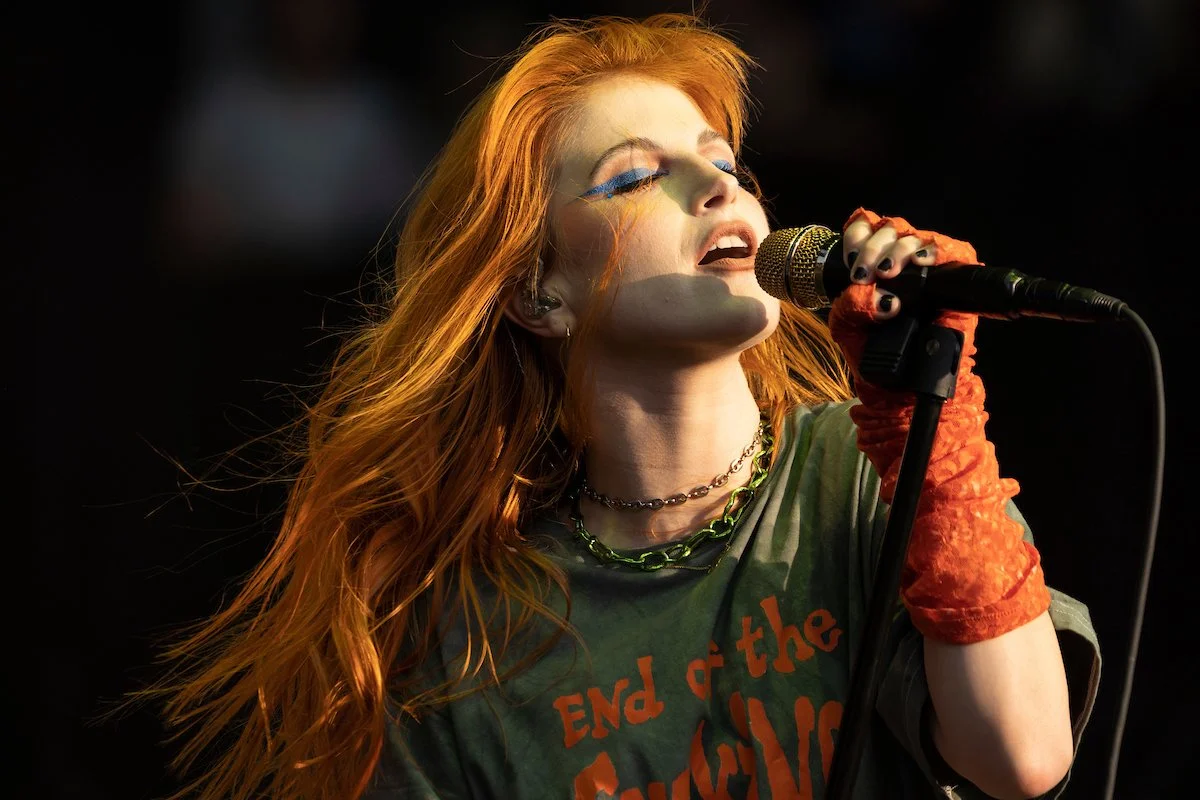
These two women (and many more) are prime examples of punk opening its arms to inclusivity. Female fans and artists can now see themselves represented within the genre and feel more comfortable embracing the punk scene, which is now rich with a wide range of voices, personalities, and experiences.
The future seems wide open. Since its birth in the '70s, punk has become a common genre across the globe, reaching listeners worldwide instantly each and every day. The growing popularity of the social media app TikTok has allowed for emerging artists and growing fanbases, making it incredibly simple for small artists to gain traction and for fans to find them with the click of a button. Social media will likely play a huge part in what the future means for punk culture.
Sub-genres will continue to emerge, as artists strive to include niche instruments and elements within their music to push boundaries and break down any barriers. As social issues grow and change more every day, younger generations will take advantage of this. Whether it be grunge, pop-punk, emo, or metal, younger generations will continue to use music as an outlet to project their experiences and opinions, just as past generations have.
From the 2010s to 2024, punk has gone through a whirlwind journey. The genre has opened its doors even more to inclusivity and innovation, while still remaining rebellious and confrontational. As fans and artists continue to redefine what it means to be punk, a path is being paved for the future of the genre and its community of artists and fans.